PEX Temperature Rating Explained for Newport Beach Homes: Hot Water, Hot Attics and the Limits That Matter
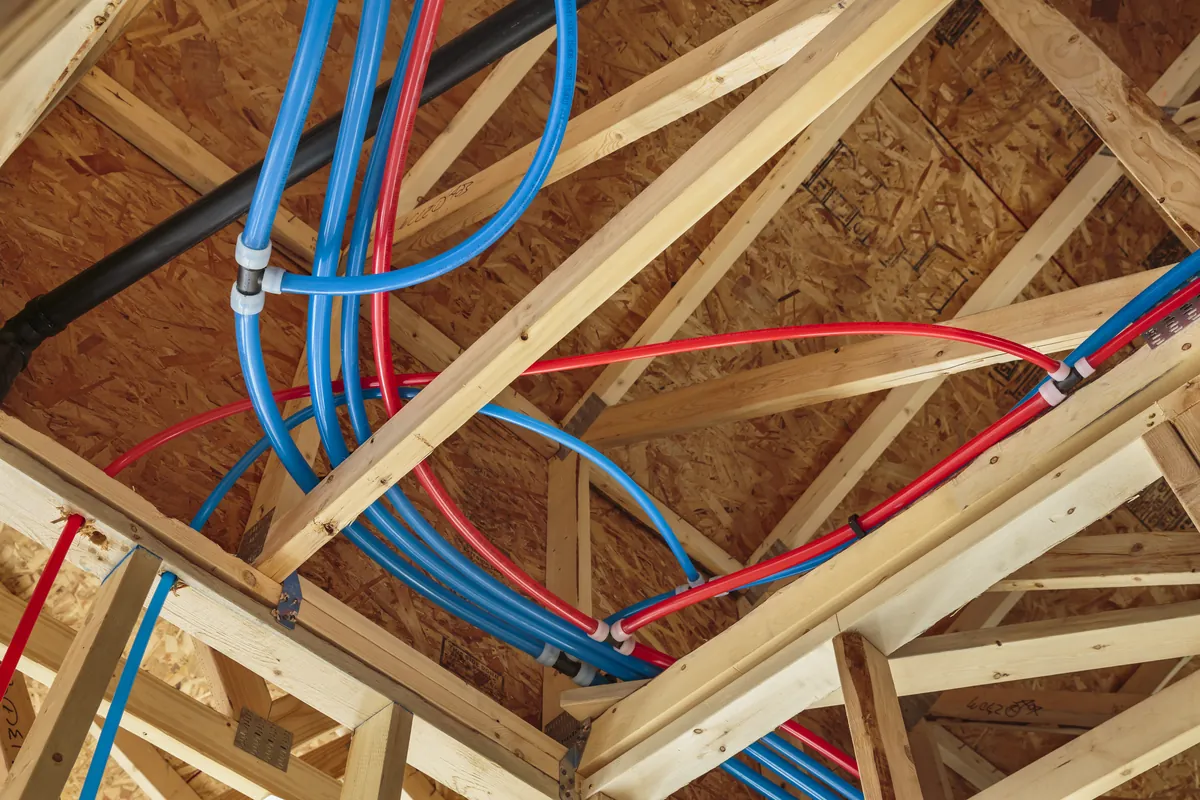
Homeowners in Newport Beach often ask whether PEX can handle hot water and hot attic spaces. What the standard PEX temperature and pressure ratings mean, how they…
Many Newport Beach homes, from older cottages on Balboa Island and in Corona del Mar to the 1960s and 1970s tracts of Eastbluff and Harbor View, have supply lines that run through attics. When owners compare piping options, a natural question comes up: can PEX handle hot water and a hot attic? The answer starts with the temperature rating printed right on the pipe.
What the standard rating means
PEX tubing for household water is tested and rated under industry standards. The rating printed on most PEX for potable water includes three temperature and pressure pairs, typically:
- 73°F at 160 psi
- 180°F at 100 psi
- 200°F at 80 psi
Those numbers describe continuous operating conditions the pipe is rated for. Most PEX is also built to handle short temperature spikes higher than that, such as a brief malfunction, without failing. Always check the specific markings and the manufacturer's data for the pipe in question.
How that compares with a normal home
- Water heater setting. Most homes keep the water heater around 120°F, well below the 180°F rating.
- Household pressure. Typical residential pressure is far below 100 psi, especially when a pressure-reducing valve is working.
- Attic temperatures. A hot Southern California attic can reach roughly 130°F to 150°F on summer afternoons. That is below the rated limits, and attic PEX is commonly installed with insulation and proper support.
In everyday use, the temperature rating is not usually the limiting factor.
Where the real limits are
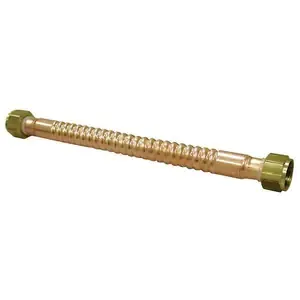
- Right at the water heater. Many manufacturers and local codes call for keeping PEX a set distance from a gas water heater's flue and using approved metal connectors at the heater. Follow the heater and tubing instructions and local code.
- Sunlight. PEX is sensitive to UV light and should not be left exposed outdoors or in sunlit areas.
- Heat sources. Recessed lights, flues, and other hot equipment in attics need clearance.
- Pressure spikes. High static pressure or thermal expansion with no relief can stress any piping.
Newport Beach notes
Coastal homes deal with salt air, which is hard on exposed metal piping and fittings, and many homes have limited attic space or tight crawl spaces. Some Newport Beach communities also have HOA rules and the city has its own permit process for water piping replacement. If your attic copper is older and showing green corrosion or pinholes, understanding what PEX can and cannot handle helps you compare options with clear expectations.
Related reading
On this site, see PEX in concrete slabs and Type L versus Type M copper. Neighbors can visit Costa Mesa, Irvine and Laguna Beach, or browse every city at repipeinc.com.
Questions about PEX in your attic?
Request a free quote and we can talk through how your home is laid out. Get my free quote. Our AI system alerts a technician instantly, so you get a fast callback.
Repipe OC, 23821 Hillhurst Drive, Laguna Niguel, CA 92677, (949) 524-2362, CSLB #1087885 C-36.
Repipe OC near you
Not in Newport Beach? The same crew serves nearby cities. See every city we serve, or jump to a neighboring city:
 Written by Repipe OC · CSLB #1087885 C-36 · 23821 Hillhurst Drive, Laguna Niguel, CA 92677 · (949) 524-2362