Rinnai Tankless Water Heater Installation Guide for Newport Beach Homeowners
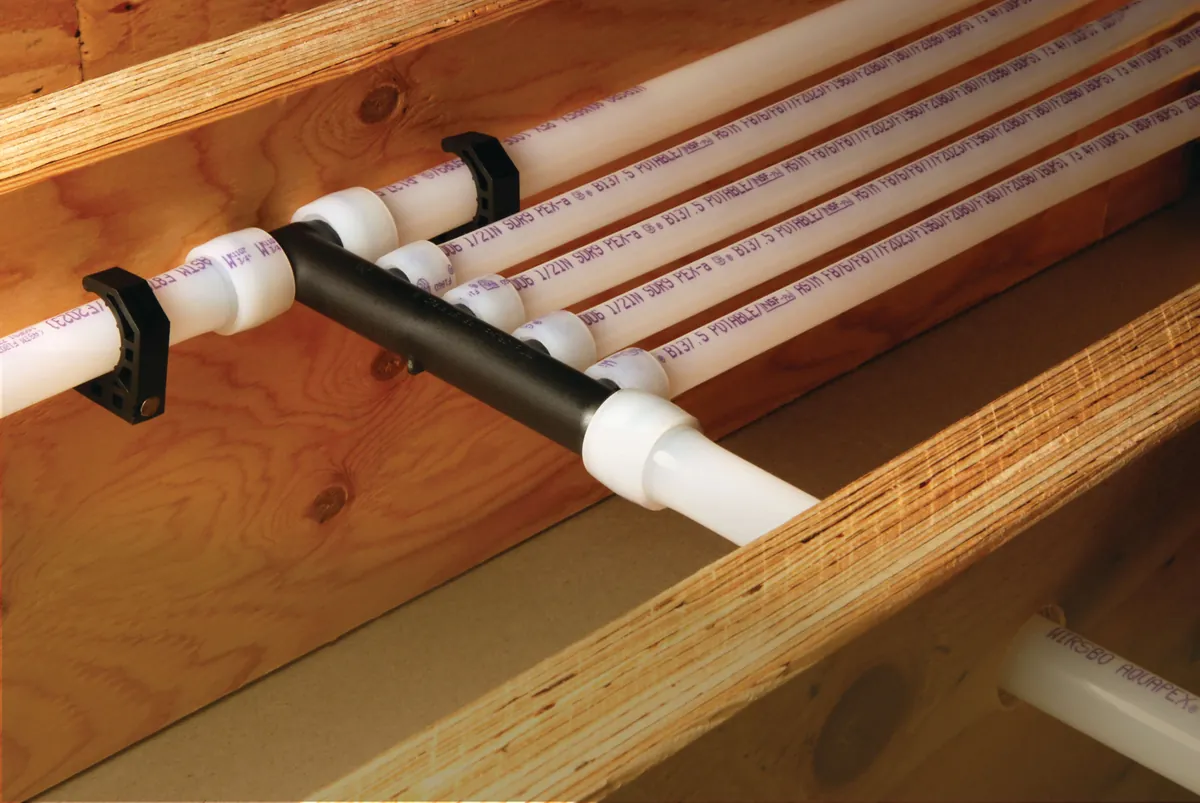
From Balboa Peninsula to the rest of Newport Beach, here is how Repipe OC plans a Rinnai tankless install around real hot-water demand.
Newport Beach homeowners ask us about Rinnai more than any other tankless brand. Newport Beach covers everything from narrow Peninsula lots to large Harbor View homes, and both extremes change how a Rinnai is mounted and vented.
Below is how we approach a Rinnai tankless water heater installation: measuring demand, checking gas, choosing indoor or outdoor, and looking honestly at the pipes that will feed the new heater. Repipe OC is licensed under CSLB #1087885 (C-36).
Local factors in Newport Beach
Most Newport Beach homes we visit in Balboa Peninsula, Corona del Mar, Harbor View Hills, Lido Isle, Newport Heights still have the heater where the builder put it. That is often fine for a Rinnai, but it is worth asking whether a different location would shorten hot-water waits, especially if a repipe is also being considered.
Because City of Newport Beach Water water leaves scale over time, we set up every install so routine descaling is simple.
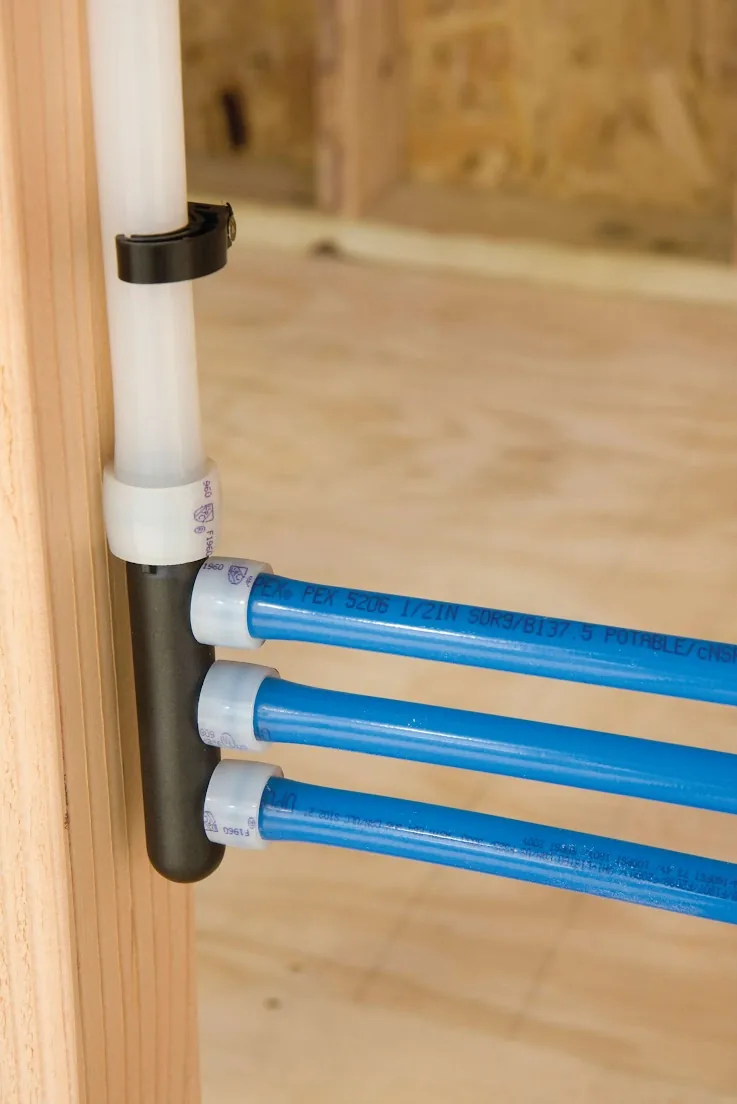
What Newport Beach homeowners usually want from a Rinnai upgrade
Most people who ask us about Rinnai want three things: hot water that does not run out halfway through the second shower, a unit that frees up garage or closet space, and lower standby losses than a tank that keeps 40 or 50 gallons hot around the clock. Those goals are realistic—when the installation is planned around real household demand.
The work behind a clean result is less glamorous: confirming gas pressure under load, choosing an indoor or outdoor model that suits the wall, and making sure the water lines feeding the heater are not the next thing to fail.
Indoor, outdoor, and the models in between
- Outdoor wall-mount: no vent pipe through the roof or wall; needs clearances from windows, doors, and property lines
- Indoor condensing: high efficiency, PVC-style venting, condensate drain required
- Indoor non-condensing: fewer drain concerns, but venting must be rated for the exhaust temperature
- Built-in recirculation models: some Rinnai units include an internal pump for faster hot water at distant fixtures
The right pick depends on where your current tank sits, how far the farthest bathroom is, and what your HOA allows on exterior walls.
Signs your pipes should be part of the conversation
| What you notice | What it may point to |
|---|---|
| Past pinhole leaks in copper | Systemic wear likely elsewhere |
| Rusty or brown water at startup | Corroding galvanized supply |
| Gray plastic supply lines | Polybutylene that should be replaced |
| Weak pressure at several fixtures | Restricted or undersized lines |
Any of these is worth discussing before the new heater goes on the wall.
Newport Beach install notes
On the Balboa Peninsula and Lido Isle, lots are narrow and side setbacks small, so clearance from a neighbor's window can rule out certain vent spots. Corona del Mar and Harbor View Hills homes have more room but often larger demand. We lay out the exact mounting or termination location during the estimate so there is no guesswork on install day.
Keeping a Rinnai running: descaling and filters
Minerals in Orange County water slowly coat the heat exchanger inside any tankless unit. Rinnai, like other manufacturers, calls for periodic flushing. We install isolation valves with service ports so the flush is a quick visit instead of a re-plumbing job.
Check the inlet water filter screen occasionally, keep the area around an outdoor unit clear, and watch for error codes on the controller. Optional whole-house filtration can be discussed separately; we do not sell water softeners as a fix for heater or pipe problems.
Gas, venting, power, and drain—the four connections
- Gas: confirm capacity under full load; upsize the branch if needed
- Venting: route per the manufacturer's manual with correct terminations
- Power: most Rinnai units need a standard 120-volt outlet for controls and ignition
- Drain: condensing units need a condensate line, usually with a neutralizer
Skipping any one of these is how tankless installs end up with nuisance shutdowns. Each is listed and inspected on a permitted job.
Sizing by flow, not by square footage
Tankless units are sized by how many gallons per minute of hot water you need at once and how much the incoming water has to be heated. A two-bath condo and a five-bath home on the same street need very different units. We count showers, tubs, and appliances that may run together, then pick a model with headroom without overbuying.
If you have a large soaking tub or multiple shower heads, mention it at the estimate—those fixtures drive sizing more than anything else.
Common questions from Newport Beach homeowners
Indoor or outdoor model? It depends on the current location, wall space, and HOA rules.
Is my gas line big enough? Many are not. We check before recommending a model.
How often should it be flushed? Follow the manual and your water conditions; isolation valves make it quick.
Should I repipe at the same time? If your pipes show pinholes, corrosion, or polybutylene, combining the work usually makes sense.
Next step for Newport Beach homeowners
Send a photo of your current water heater and gas line, plus your Newport Beach address, and call (949) 524-2362. We will recommend a Rinnai setup and tell you whether your pipes should be part of the job. Repipe OC · 23821 Hillhurst Drive, Laguna Niguel, CA 92677 · CSLB #1087885.
Repipe OC near you
Not in Newport Beach? The same crew serves nearby cities. See all Orange County service areas at repipeinc.com, or jump to a neighboring city:
 Written by Repipe OC · CSLB #1087885 C-36 · 23821 Hillhurst Drive, Laguna Niguel, CA 92677 · (949) 524-2362